
































More About Our Neurofeedback & Biofeedback Services
We offer neurofeedback training options designed to fit the realities of modern life while preserving clinical structure and oversight. Your current page states that both in-office and at-home neurofeedback are available through the practice.
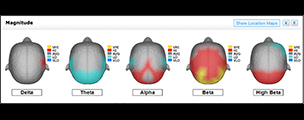
A qEEG provides a detailed look at patterns of brain activity and can help guide treatment planning by identifying areas of dysregulation or inefficiency in brain functioning. Your current website identifies qEEG brain mapping as one of the core components of the program.
Our comprehensive brain function assessment offers a refined view of how the brain is functioning across key domains related to focus, regulation, processing, and cognitive efficiency. This deeper level of insight helps guide personalized treatment planning and provides a meaningful baseline for measuring progress over time.
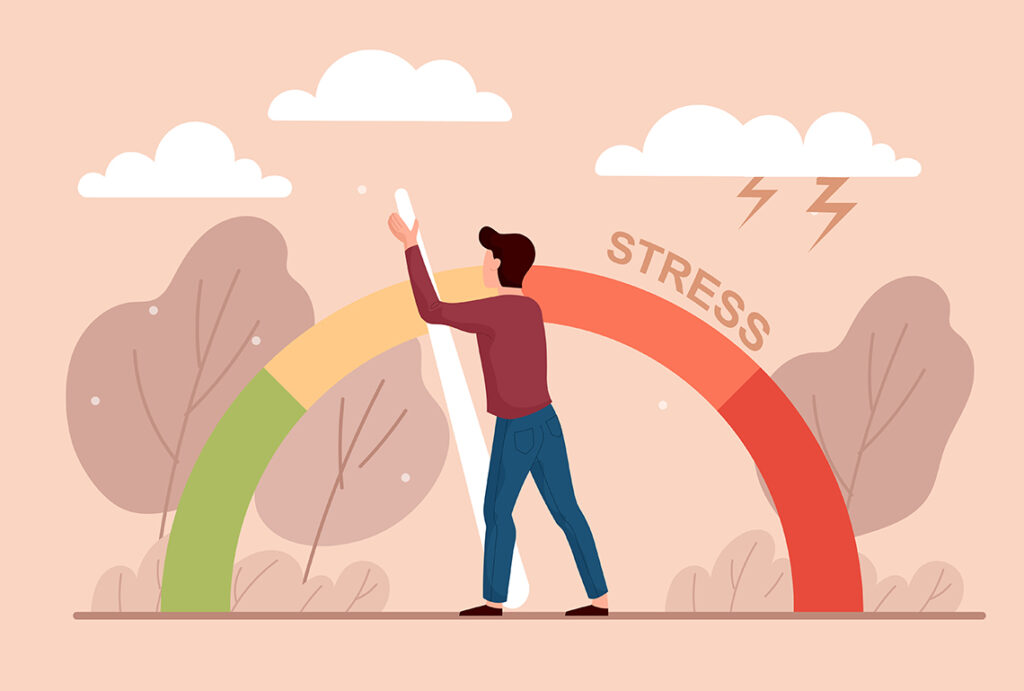
We incorporate biofeedback-based stress assessment and HeartMath stress-reduction training to help clients strengthen autonomic regulation, awareness, and recovery skills. Your current page identifies this as part of the clinic’s current offerings.
Neurofeedback and Biofeedback in Pasadena and Los Angeles, California
Your brain and body are constantly communicating. When that system is under strain—because of stress, trauma, anxiety, sleep disruption, attention difficulties, or chronic overwhelm—it can become harder to feel calm, focused, and fully present in your life. Neurofeedback and biofeedback are non-invasive, evidence-informed approaches that help strengthen regulation from the inside out by giving you real-time feedback about how your brain and body are functioning and helping you learn how to shift those patterns over time.
At Dr. Kate Truitt & Associates, our neurofeedback and biofeedback services are designed to support more efficient, flexible, and resilient functioning. Our current program offerings include qEEG brain mapping, in-office and at-home neurofeedback training, cognitive performance testing, and HeartMath-based stress-reduction training. These services can be integrated into a broader treatment plan or used as focused support for clients seeking targeted brain- and body-based care.
What Is Neurofeedback?
Neurofeedback is a form of biofeedback that focuses on brain activity. During training, sensors monitor patterns of brain function and deliver real-time feedback through a computer-based interface. Over repeated sessions, the brain begins to recognize and strengthen patterns associated with improved regulation, attention, steadiness, and efficiency. In plain English: neurofeedback helps the brain practice doing its job with less chaos and more consistency. Reviews continue to describe neurofeedback as a promising adjunctive intervention, particularly when it is integrated thoughtfully into a broader clinical framework.
Rather than forcing the brain to do something unnatural, neurofeedback works with the brain’s capacity for learning and adaptation. That matters, because lasting change is rarely about white-knuckling your way into better functioning. It is about building conditions in which the nervous system can learn a different rhythm.
Neurofeedback provides support with:
- Attention and Focus Difficulties
- ADHD Symptoms and Executive Functioning Challenges
- Trauma-related dysreguylation and hyperarousal
- Anxiety and stress-related concerns
- Difficulties with leep and insomnia
- Chronic pain
- Peak performance and mental stamina
What Is Biofeedback?
Biofeedback focuses on physiological signals from the body, such as heart rate variability, breathing, and stress response patterns. It helps people become more aware of how their nervous system is responding in real time and teaches them how to shift those patterns through targeted regulation skills. Heart rate variability biofeedback, in particular, has been associated with small-to-moderate improvements across emotional and physical health outcomes in meta-analytic work, and it is widely used to support self-regulation, stress recovery, and resilience.
This is one of the reasons biofeedback can be so useful for people who feel stuck in cycles of overactivation, exhaustion, tension, or shutdown. It gives the body a way to practice regulation directly, not just talk about it conceptually.
Biofeedback is most often used to support autonomic nervous system regulation, stress physiology, and physical symptoms that are influenced by patterns of tension, arousal, and self-regulation. Depending on the modality used, biofeedback may be incorporated to support:
- Chronic stress and reactivity
- Anxiety and physiological overwhelm
- Headaches and migraines
- Anxiety and stress-related concerns
- Muscle tension and tension-related pain
- heart rate variability and resilience training
A More Personalized Path to Regulation
There is no single intervention that magically fixes a dysregulated nervous system. Anyone who says otherwise is selling something shinier than reality. What does help is thoughtful, individualized care that respects the complexity of the brain, the body, and the lived experience of the person sitting in front of us.
That is the heart of this work. Neurofeedback and biofeedback are not about chasing perfection. They are about building better access to calm, focus, flexibility, and resilience so daily life can feel more manageable and less like a constant internal tug-of-war.
Call today to schedule your free 30-minute consultation and learn more about how our integrated services can support your goals. This initial conversation offers an opportunity to discuss your needs, ask questions, and explore the services and treatment options that may be the best fit for you. Our team is committed to providing thoughtful, collaborative care and helping you take the next step with clarity and confidence.
Visit our Living Your Excellence Blog
Choose from our growing collection of blog articles below to explore how the latest advances in neuroscience provide opportunities to harness the power of neuroplasticity, and create a space for inspiration to flow.