Frequently Asked Questions
How do I know if this group is a good fit for my teen?
This group may be helpful for teens struggling with chronic worry, stress, perfectionism, social anxiety, emotional overwhelm, school pressure, panic symptoms, avoidance, or difficulty coping with everyday stress. Many teens who benefit from this group appear highly capable on the outside while privately struggling with anxiety, self-pressure, or constant overthinking.
A brief consultation with our team can help determine whether this group is the best fit for your teen’s needs and developmental stage.
Is this group therapy or skills training?
This program combines both therapeutic support and practical skills training. Sessions include neuroscience-informed psychoeducation, emotional regulation tools, coping strategies, guided discussion, and real-world applications designed specifically for adolescents and teens.
The focus is not just on talking about anxiety, but on helping teens build practical tools they can actually use outside of session.
Can my teen participate if they are already in individual therapy?
Yes. This group can work well alongside individual therapy and may help reinforce coping skills, emotional regulation, confidence, and social support. We also offer individual therapy services for adolescents and teens within our practice, as well as integrated neurofeedback and brain-based services when clinically appropriate.
What if my teen is shy or anxious around peers?
Many teens entering the group feel nervous initially, especially if social anxiety or fear of judgment is part of what they are already struggling with. Our clinicians are experienced in helping teens gradually feel comfortable without placing pressure on them to immediately open up or participate beyond their comfort level.
Over time, many teens find that the group environment helps reduce isolation and increases confidence in social and emotional situations.
Call (626) 524-5525 or send us an email at info@drtruitt.com to schedule a free 30-minute phone consultation to learn more about how this group could help your teen.
Teen Anxiety Skills and Therapy Support Group
A Neuroscience-Informed Group for Teens with Anxiety
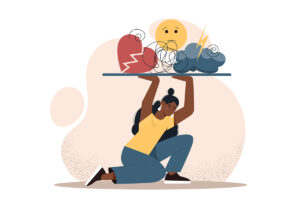
Anxiety can make the teenage years feel exhausting. School pressure, friendships, identity development, family expectations, social comparison, performance demands, and constant uncertainty can all place significant strain on a developing nervous system.
For many teens, anxiety shows up as overthinking, avoidance, panic, perfectionism, irritability, sleep disruption, stomachaches, difficulty concentrating, emotional overwhelm, or the sense that they can never fully relax. This group helps teens understand what anxiety is doing in the brain and body — and how to work with their nervous system instead of feeling controlled by it.
Call (626) 524-5525 or send us an email at info@drtruitt.com to schedule a free 30-minute phone consultation to learn more about how this group could help your teen.
Why Anxiety Requires a Different Approach
Adolescence is a major window of brain development. Teens are building independence while the systems responsible for emotion regulation, decision-making, impulse control, and long-term planning are still maturing.
That means anxiety in adolescence is not simply “worry.” It can affect confidence, relationships, school performance, sleep, motivation, and a teen’s sense of safety in their own body. At the same time, today’s teens are navigating increasing academic, social, and emotional pressures during one of the most neurologically sensitive stages of development.
Common contributors to adolescent anxiety may include:
- Identity and self-worth becoming deeply tied to academic, athletic, and social performance
- Social media and constant comparison increasing pressure, insecurity, and fear of exclusion
- Ongoing academic demands and pressure to succeed across multiple areas of life
- A developing brain that is still learning how to regulate stress, emotions, and uncertainty
- Anxiety impacting sleep, concentration, motivation, confidence, relationships, and overall functioning
This group is designed to help teens build practical tools for calming the nervous system, challenging anxiety-driven patterns, reducing avoidance, and developing greater confidence in everyday life.
Developmentally Appropriate Age Structure
To support developmental differences across adolescence, the program incorporates age-sensitive adaptations and group structuring for both the 13 and 14-year-olds and the 15–17 age range.
Ages 13–14
Younger adolescents are still building foundational emotional awareness, regulation skills, and executive functioning capacity.
Teens in this age range often benefit from:
- Concrete and easy-to-apply coping tools
- Increased emotional awareness and language-building
- Guided practice with calming and regulation strategies
- Support around transitions, routines, and stress management
- Caregiver involvement and external scaffolding
- Confidence-building through small, achievable successes
This stage of development is heavily shaped by co-regulation, emotional learning, and the gradual development of independence and self-management skills.
Ages 15–17
Older adolescents are navigating increasing independence, academic pressure, social complexity, and preparation for adulthood. As identity development accelerates, anxiety often becomes intertwined with self-worth, future planning, performance, and peer relationships.
Teens in this age range often benefit from:
- Greater autonomy and self-advocacy skills
- More advanced emotional regulation strategies
- Support navigating academic and social stress
- Increased focus on identity, confidence, and resilience
- Practical coping tools for real-world situations
- Preparation for transitions related to college, work, and adulthood
At this stage, treatment focuses on strengthening independent coping, emotional flexibility, and confidence navigating increasingly complex life demands.
What Teens Will Learn
This group helps teens understand anxiety as a protective brain-body response that can become overactive under stress. Rather than framing anxiety as weakness, the program teaches teens how anxiety impacts thoughts, emotions, physical sensations, avoidance, sleep, focus, motivation, and relationships.
Teens also begin learning how stress, overwhelm, and anxiety can affect the developing brain and nervous system in ways that are both real and changeable with the right support and skills.
From there, teens learn practical tools to calm the body, work with anxious thoughts, reduce avoidance, communicate more effectively, and build confidence through real-world practice.
Core Areas of Focus:
Nervous System Regulation
Teens learn how anxiety shows up in the body and how to recognize early signs of activation before anxiety takes over. The group introduces practical regulation tools that support grounding, calming, emotional awareness, and recovery after stress.
Teens also learn how sleep, stress, overstimulation, and daily habits can influence nervous system sensitivity and emotional reactivity.
Anxious Thoughts & Overthinking
Anxiety often pulls teens into “what if” loops, perfectionism, fear of failure, social worry, and worst-case-scenario thinking. This group helps teens identify anxiety-driven thought patterns and build more flexible, supportive ways of responding to stress.
The focus is not on forcing positive thinking, but on helping teens develop greater awareness, perspective, and emotional flexibility.
Confidence, Avoidance & Real-Life Coping
Avoidance can make anxiety feel better in the short term, but stronger over time. Teens learn how to approach challenges in manageable steps, build tolerance for discomfort, and strengthen confidence through small, achievable actions.
Over time, these experiences help teens build greater trust in their ability to handle stress, uncertainty, and difficult emotions.
Social & Relational Support
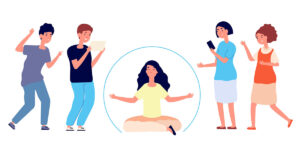
Anxiety can affect friendships, communication, conflict, self-advocacy, and a teen’s sense of belonging. The group setting helps teens feel less alone while practicing tools for connection, communication, boundaries, and emotional regulation.
For many teens, simply realizing that others experience similar struggles can reduce shame and increase confidence.
Parent Integration & Support
Teen anxiety is best supported when caregivers understand how anxiety works in the developing brain. Parent support may be included to help families reduce reassurance loops, strengthen communication, support healthy coping, and encourage brave steps without overwhelming the teen.
Parents also receive guidance for responding to anxiety in ways that support regulation, resilience, and long-term confidence rather than unintentionally reinforcing avoidance or fear.
The goal is to help families move from anxiety-driven patterns into calmer, more supportive, and more effective responses.
Group Format
This program is offered in two developmentally tailored small-group tracks to better support the emotional, social, and neurological differences that occur across adolescence:
- Ages 13–14
- Ages 15–17
Sessions are interactive, clinically supportive, and skills-based, with a focus on helping teens apply what they learn to school, home, friendships, and daily life.
Each group is designed to be age-appropriate, engaging, and developmentally responsive while providing meaningful clinical guidance, emotional support, and practical coping tools. Groups are intentionally kept small to support safety, connection, participation, and personalized attention.
Who This Program May Benefit
This group may be a good fit for teens struggling with generalized anxiety, social anxiety, panic symptoms, perfectionism, school stress, avoidance, emotional overwhelm, performance anxiety, sleep disruption, excessive reassurance-seeking, low confidence, or difficulty managing stress.
Many teens in the group are thoughtful, capable, and highly self-aware, yet still feel stuck in cycles of overwhelm, self-pressure, or fear of getting things wrong.
It may also be helpful for teens who appear high-achieving on the outside but feel anxious, overwhelmed, or constantly pressured on the inside. If your adolescent is displaying any of these below symptoms or behaviors, this group may be helpful for them.

- Excessive worry, overthinking, or difficulty “shutting off” anxious thoughts
- Frequent school stress, perfectionism, or fear of making mistakes
- Avoidance of social situations, presentations, activities, or unfamiliar experiences
- Physical symptoms of anxiety such as stomachaches, headaches, tension, or sleep difficulties
- Panic symptoms, emotional overwhelm, or rapid escalation under stress
- Constant reassurance-seeking from parents, teachers, or peers
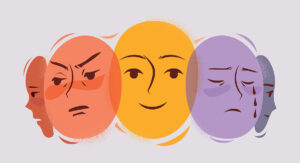
- Irritability, emotional reactivity, or frequent shutdown when overwhelmed
- Difficulty concentrating or completing tasks due to anxiety or stress
- Low confidence, self-criticism, or fear of disappointing others
- Appearing highly capable on the outside while internally struggling with chronic stress, pressure, or anxiety
Our Approach
At Dr. Kate Truitt & Associates, we approach teen anxiety through a neuroscience-informed, trauma-aware, and resilience-focused lens. We look beyond symptoms alone to understand how stress, emotion, identity, relationships, and the developing brain interact.
Our goal is to help teens build regulation, confidence, and practical coping skills that support real-world resilience.
For teens needing additional support, we also offer individual therapy services for adolescents and teens, as well as integrated brain-based services such as neurofeedback and brain mapping when clinically appropriate.
Whether through group therapy, individual treatment, or integrated care, our focus is helping teens better understand their nervous system and move forward with greater confidence and support.
Your teen does not have to keep carrying anxiety alone — and neither do you.
The adolescent years can be incredibly overwhelming as teens navigate academic pressure, social stress, identity development, constant comparison, and the growing expectation to manage more emotionally and independently than ever before. With the right support, teens can learn how to better understand anxiety, regulate their nervous system, build confidence, and develop healthier ways of coping with stress and overwhelm.
This is more than a coping skills group. It is an opportunity for teens to strengthen resilience, build self-trust, reduce avoidance, and stop defining themselves through fear, pressure, or overwhelm.

Call (626) 524-5525 or send us an email at info@drtruitt.com to schedule a free 30-minute phone consultation to learn more or reserve your teen’s spot in an upcoming group. Help your teen move forward with greater confidence, regulation, and support.
Visit our Living Your Excellence Blog
Choose from our growing collection of blog articles below to explore how the latest advances in neuroscience provide opportunities to harness the power of neuroplasticity, and create a space for inspiration to flow.